Passport validity rules
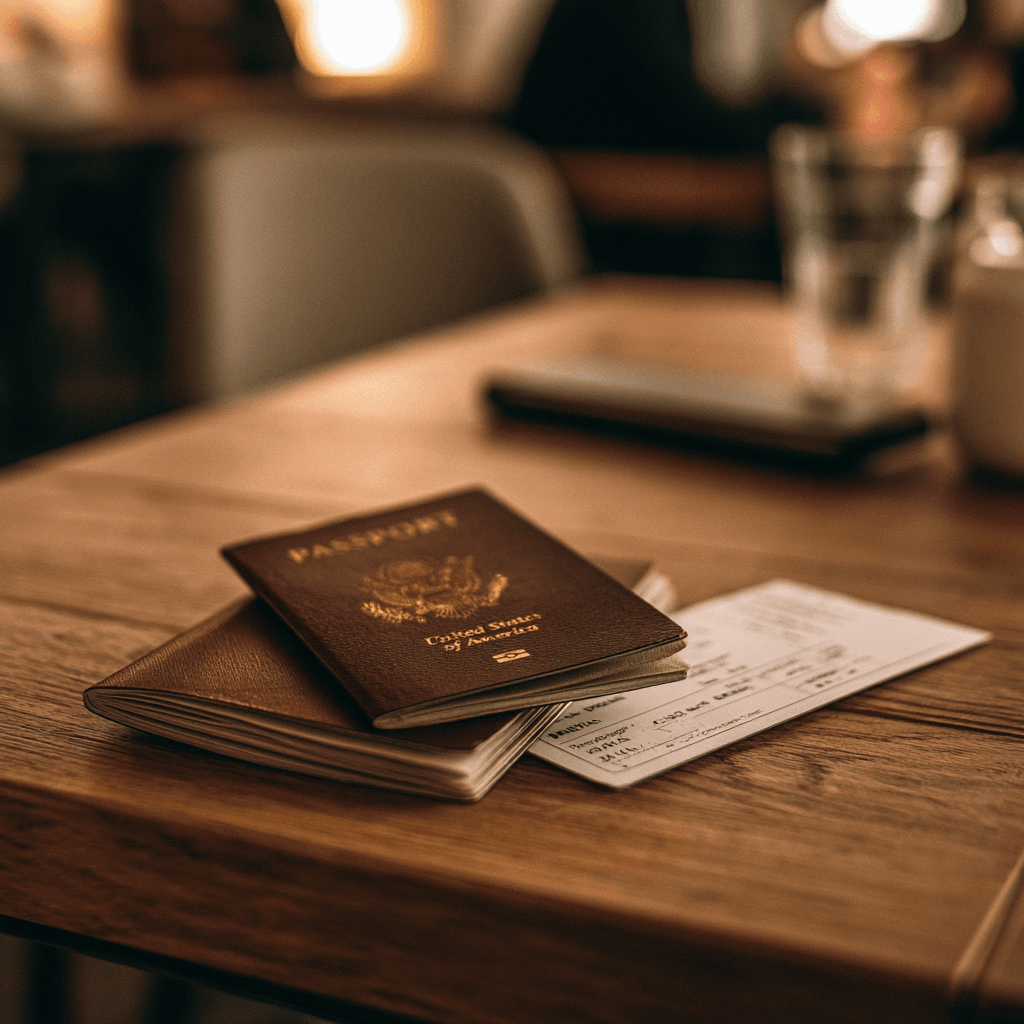
Many countries require that your passport remains valid for at least three or six months beyond the planned departure date. Some look only at the date of entry. Rules differ, so check the exact requirement for every country on your itinerary. Do this well before you book anything non-refundable.
Count the blank pages too. A few destinations still ask for two or more empty visa pages. If your passport is running low, renew it earlier rather than risk a refusal at the border. Damaged passports can also cause issues. Torn covers or heavy water damage sometimes lead to extra questions.
Visas and entry conditions
Visa rules change and depend on your nationality and the purpose of the visit. Some countries offer visa-free entry for short stays, others require an application in advance or an electronic authorisation. Read the official conditions carefully. Entry can still be refused even with a valid visa if other requirements are not met.
If you are transiting through a third country, check whether a transit visa is needed. Short layovers sometimes fall under different rules than longer ones. Print or save the confirmation of any electronic approval. Border officers may ask to see it.
Travel insurance
Insurance is not always mandatory but it is strongly advisable. Medical costs abroad can be high and some countries ask for proof of coverage at immigration. Look for a policy that includes emergency medical treatment, repatriation and coverage for trip interruptions.
Read the exclusions. Pre-existing conditions, certain adventure activities and high-value items often need extra attention. Keep the policy number and the emergency contact details easy to reach. A digital copy on your phone and a paper version in your bag both help.
Copies you should keep
Make clear copies of the passport data page, any visas, the insurance policy and the main booking confirmations. Keep one set of paper copies in a separate bag from the originals. Store digital versions in a place you can access offline if needed.
Emailing copies to yourself or saving them in a secure cloud folder works for many people. Just make sure you can open the files without a constant internet connection. If a document is lost or stolen, having the copies speeds up the process of getting replacements or proving your identity.
A few practical notes
Check everything again a week before departure. Validity dates and entry rules can shift. Keep the original documents on you during travel, not in checked luggage. And if you are travelling with family, each person needs their own set of papers and copies.
Most border and airline staff respond better when the documents are organised and easy to present. A simple folder or envelope keeps the essentials together. Prepare the papers early, verify the validity rules, arrange proper insurance and store copies in two places. That combination removes the majority of document-related surprises.