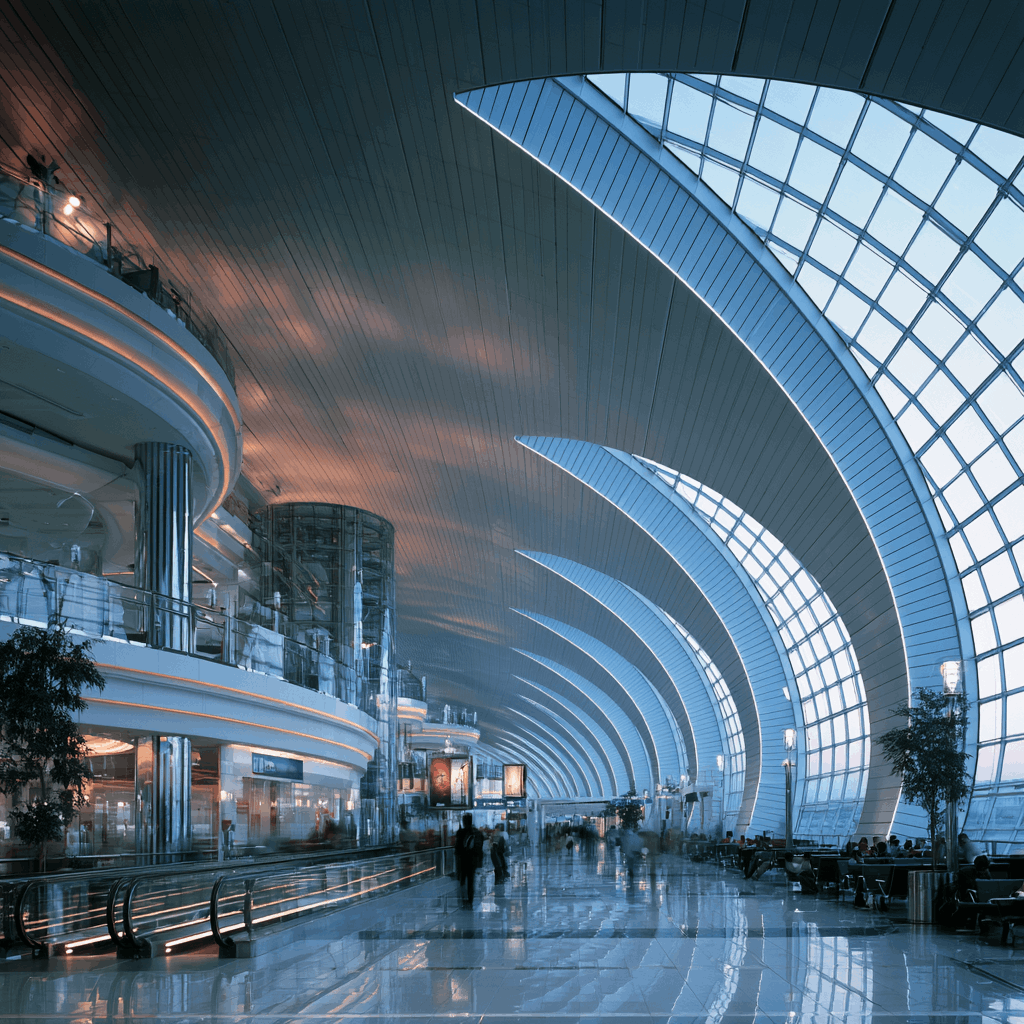
Overview of the terminals
Terminal 3 is the largest and handles the highest volume of traffic. It is modern, spacious, and connected to a big hotel and many facilities. Terminal 1 is older but still fully functional and linked to Terminal 3 by a walkway and train. Terminal 2 is smaller and sits a short distance away, mainly serving certain regional flights. Moving between Terminal 1 and Terminal 3 is straightforward. Reaching Terminal 2 usually requires a free shuttle bus.
Lounges and quiet spaces
Paid lounges are available in all terminals after security. They offer seats, snacks, drinks, and sometimes showers. Access rules differ, so check the conditions at the entrance or with the lounge desk. If you prefer free options, look for quieter gate areas away from the main shopping corridors. Some zones have softer lighting and fewer announcements, which helps if you need to rest.
Shopping and practical retail
The shopping areas are extensive, especially in Terminal 3. You will find everything from basic travel items to higher-end goods. Prices are clearly marked and most shops accept common cards. If you only need simple things like water, snacks, or a phone charger, smaller kiosks near the gates are usually faster than the main duty-free halls.
Prayer rooms and related facilities
Prayer rooms are available in every terminal and are clearly signed. They are clean, quiet, and open to all passengers. Nearby you often find ablution areas. The rooms are used regularly, so a short wait is sometimes needed during peak prayer times. They remain one of the more reliable calm spots in the airport.
Useful services for passengers
Free Wi-Fi covers the main areas and is reasonably stable. Charging points appear near many seats and in dedicated zones. Information desks staffed by people who speak several languages sit in the main halls. If you need medical help, clinics are present in the larger terminals and can handle basic issues.
Baggage wrapping, left-luggage services, and currency exchange counters are easy to find landside and airside. For longer waits, some areas offer paid rest cabins or simple day rooms. Showers are available in certain lounges and also as standalone paid facilities in Terminal 3.
A few practical notes
Signage is generally clear and in multiple languages, but the distances inside Terminal 3 can still surprise people. Moving from one end to the other takes real time, especially with bags. If you have a tight connection, check the gate number early and start walking sooner than you think necessary.
Keep a small amount of local currency or a widely accepted card for small purchases. Not every kiosk takes every payment method. And if you need assistance with mobility or special help, request it at check-in or at the information desk. The airport is used to handling these requests.
Dubai International offers a wide range of services once you are through security. Know which terminal you are in, locate the prayer rooms and quieter zones if you need calm, and use the information desks when something is unclear. That approach covers most passenger needs without extra stress.
tzhvs-82cbe2-d80c57